
Versatile Salads Defend Against Illness and Aging
- Written by J.J.
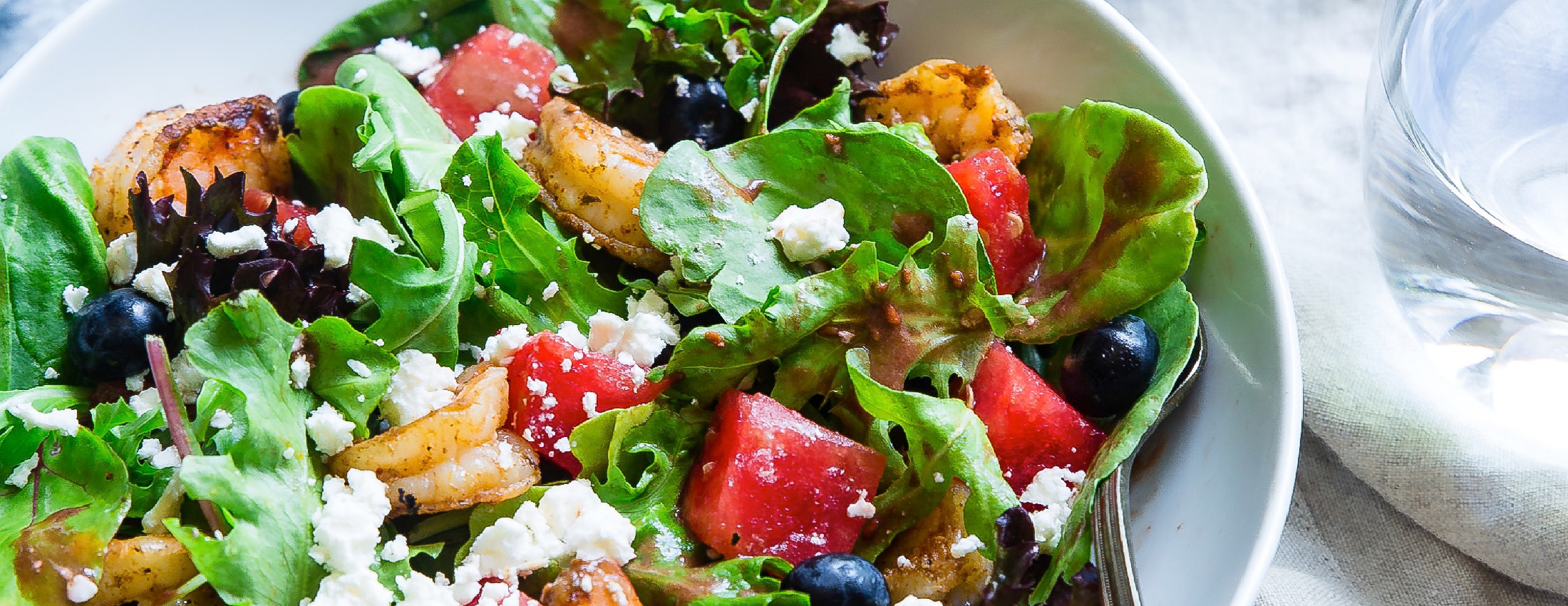 Wondering what to make for a family gathering? Salads are refreshingly versatile. Serve them hot or cold. Make them with greens, grains, vegetables or fruits. Pep them up with colors for holidays. Slather them with dressing or spike them with spice. Add a few superfoods and you've got a nutrition packed star that can shine on the side or dazzle as an entree! Salads can be quick to make, lovely to serve, and the front line defense against illness and aging for you and your family.
Read more: Versatile Salads Defend Against Illness and Aging
How Could It Be A Concussion? I Didn't Hit My Head!
- Written by J.J.
Let's bust a myth! You don't have to hit your head to have a concussion. You don't have to lose consciousness to be concussed. In fact repeated falls, hard falls on knees or the bottom--- even hitting the head on a door or counter can cause concussion in older adults. That's right. Our older bodies are more vulnerable to concussive events and they take longer to recover. Read on to learn if you're at risk, how you can monitor for concussion symptoms and what steps to take if there's a possibility you're concussed.

Read more: How Could It Be A Concussion? I Didn't Hit My Head!
5 Things I've learned From Dementia #4
- Written by J.J.
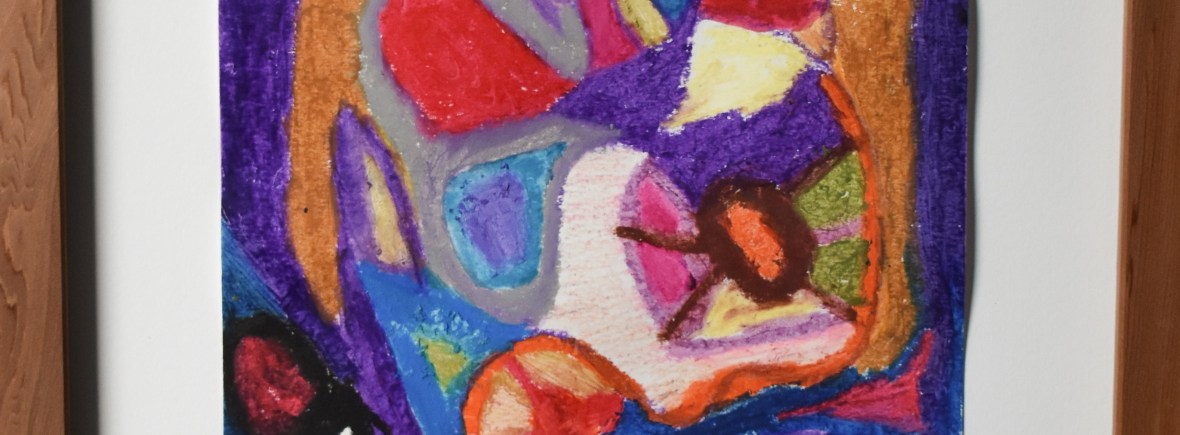 Painting by Rafe Schiwwmer courtesy of The Art of Alzheimers
4) Take care of yourself. Your life may depend on it!
Dementia in later stages can be all consuming. It may involve repetitive questioning or progress to a loss of executive function entirely. Caregivers cope with heavy demands for attention and sometimes ongoing resistance or aggressive behavior. Nitty gritty hygiene needs and unpredictable behavior can be a daily reality. For some round the clock monitoring is necessary. Dementia can last 7 years or more and there are no drugs that cure and few that slow or manage the condition. This presents caregivers with a challenge: where is the time to take care of myself?
5 Things I've learned From Dementia #3
- Written by J.J.

This month: Lesson #3 Let go, let go, let go
Artwork above from: Art of Alzheimer's
My interaction with dementia is a study in letting go. In mid to later stages, dementia is variable day to day so expected outcomes may not occur and important things like: getting to appointments, taking a walk, going on an outing, or, perhaps, even attending to hygiene or eating may not happen when I, or others, think they need to happen. Caregivers need to let it go and try again later. People experiencing the condition have already let it go and are in a protracted state of loss. They are letting go of everything they built throughout their lives: their finances, their accomplishments, their material assets and perhaps their awareness of having family. Finally they will let go of life entirely prompting their loved ones to begin their journey of letting go.